
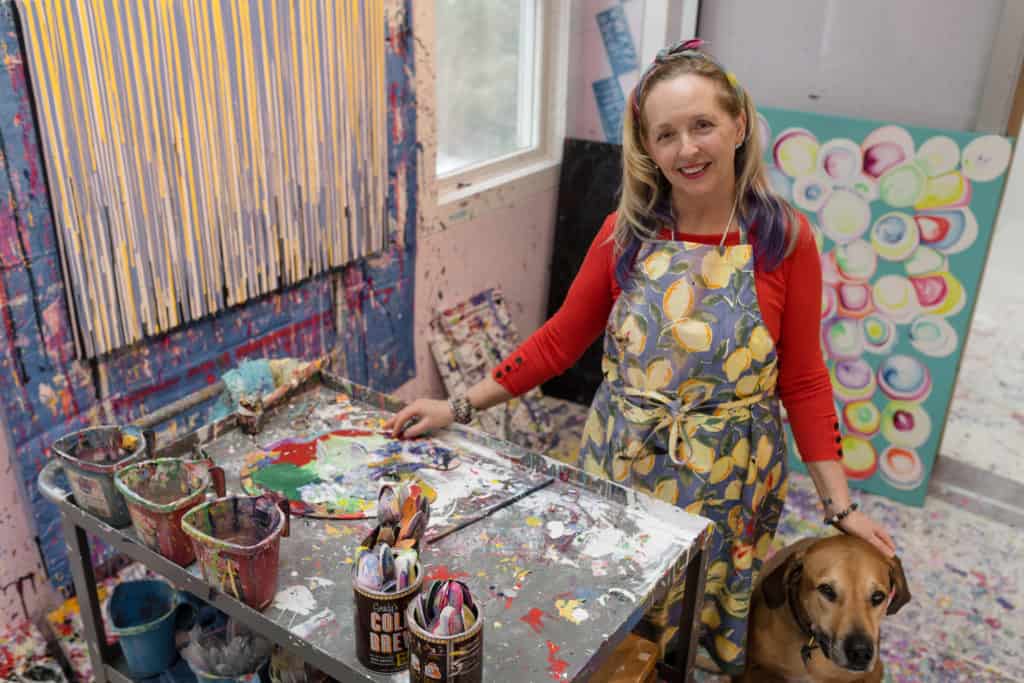
I’m an empathetic, abstract artist. My art is a celebration of nature – it’s beauty and power. My emotions are presented, sometimes encapsulating the most vulnerable moments of my life as well as my struggles with anxiety & depression. Death, loss, my mother’s Alzheimer’s, aging, the pandemic, etc.
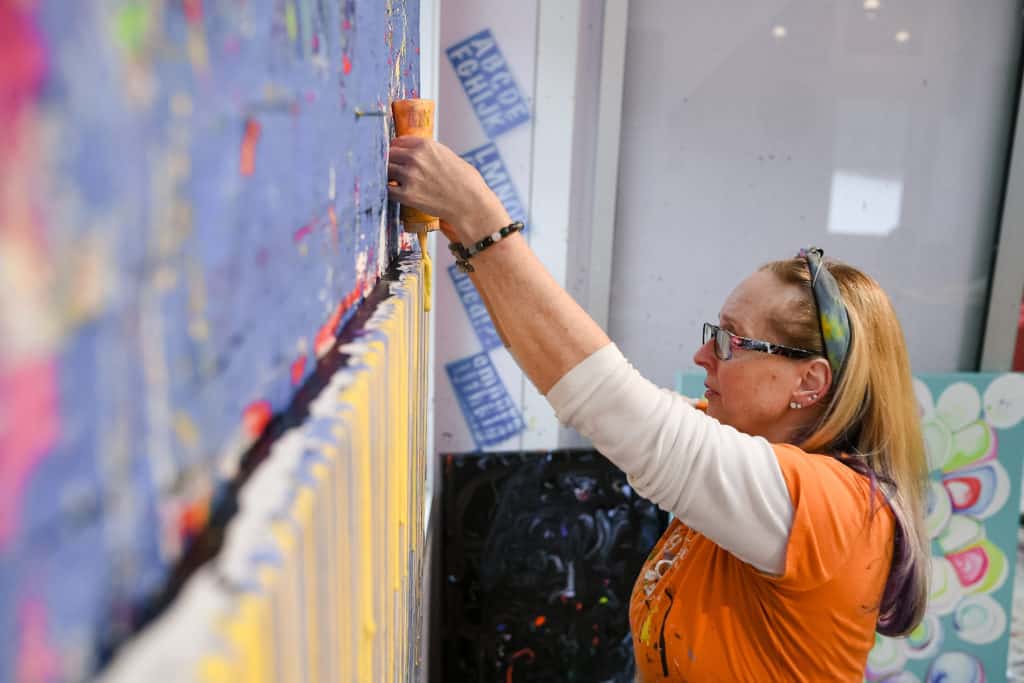
Shortly after I turned 50, my journey as an artist began. Painting my shed walls became a creative, emotional outlet – my version of a simple garden palette. There were no rules, I was able to drip, fling, brush, blend, play. Over the past 7 years, I’ve continued to follow the path of having no rules. I follow my gut, my inner voice, my physical responses and I create.
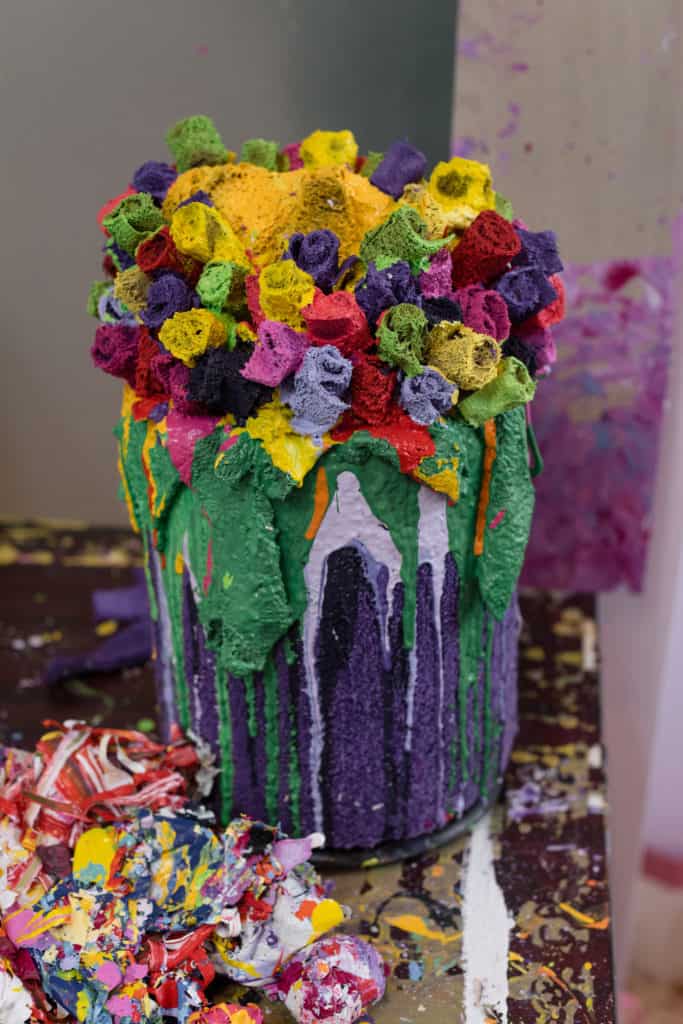
One of the best aspects of abstract art is interpretation. The energy captured in a canvas is meant to stimulate your senses, encourage your mind to expand and simply lose yourself in the few moments of gazing upon it. There is no right or wrong way view a piece. My art is visceral and meant to be touched so the viewer can further experience it, unless noted.
I’m grateful I have the ability to create and I’m humbled when a piece speaks to someone. My hope is you find a connection to a piece that evokes an emotion, feeling or sensation, one that “speaks to you”.